All you should know when choosing a multihead scale
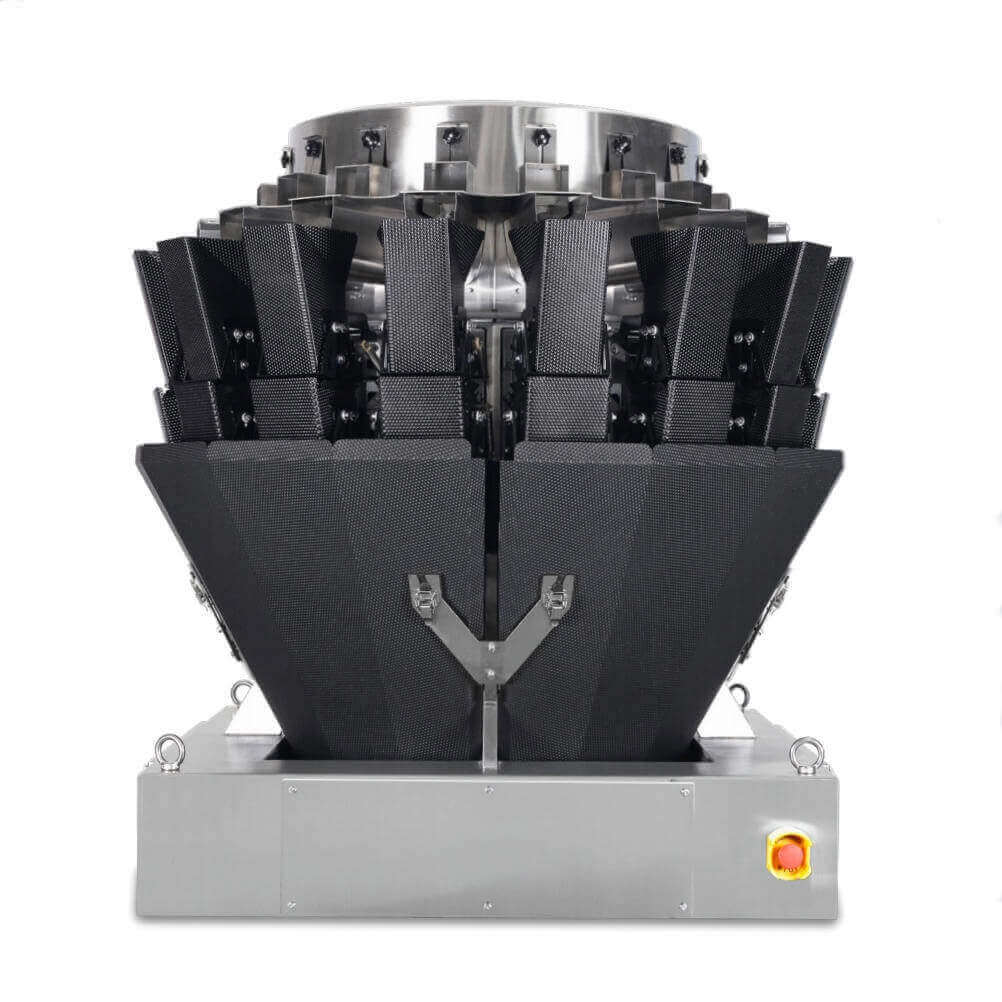
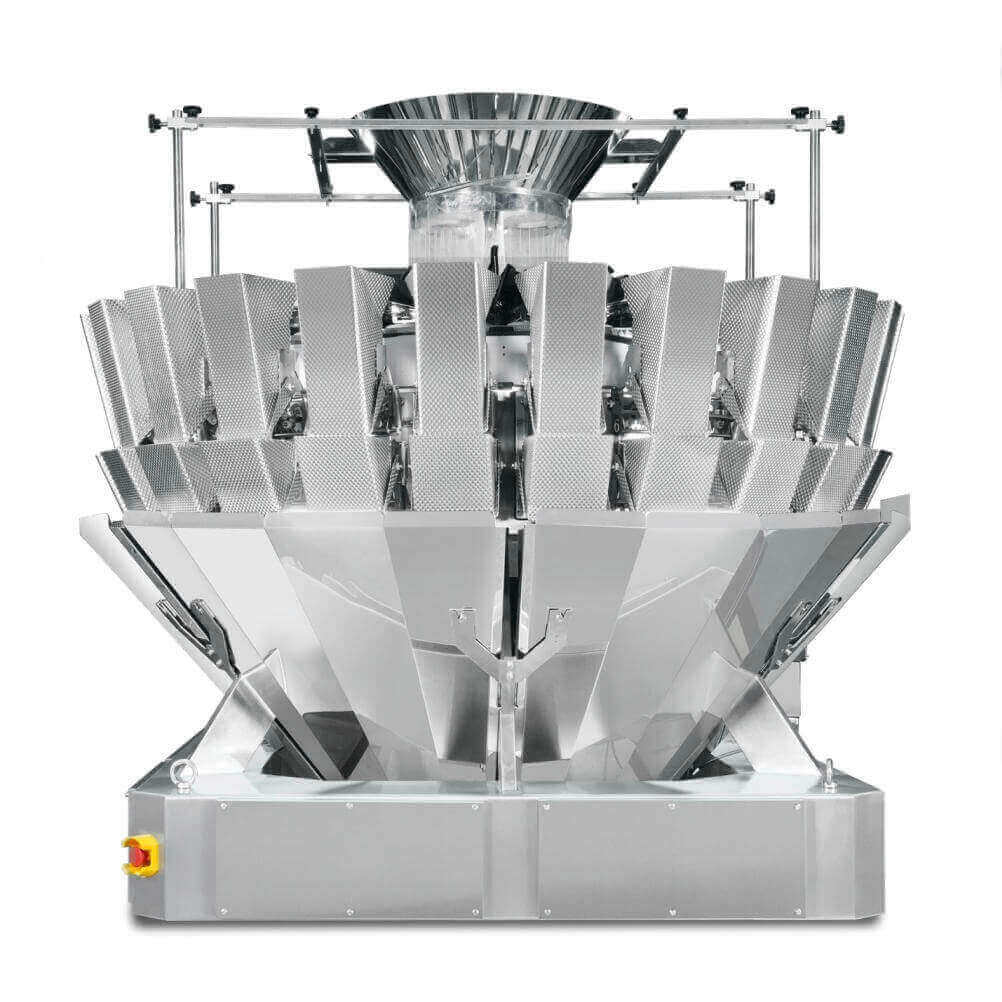
When selecting a multihead scale, it is essential to comprehensively consider production needs, material characteristics, equipment performance, and long-term operational costs.
Here are seven key points to help you make a more informed decision:
1. Balance Between Weighing Accuracy and Speed
-
Accuracy Requirements: Choose accuracy based on product value and tolerance for weight errors.
-
High-value products (e.g., nuts, health supplements): Require high precision of ±0.1g–0.5g.
-
General products (e.g., frozen vegetables, pet food): Accuracy of ±1g–2g is usually sufficient.
-
-
Speed Matching: Ensure the equipment speed aligns with production line capacity.
-
Low-speed models (40–60 bags/min): Suitable for small-scale production.
-
High-speed models (80–200 bags/min): Ideal for large-scale continuous production.
-
-
Note: Accuracy and speed often conflict; find the optimal balance based on material characteristics and budget.
2. Adaptability to Material Characteristics
-
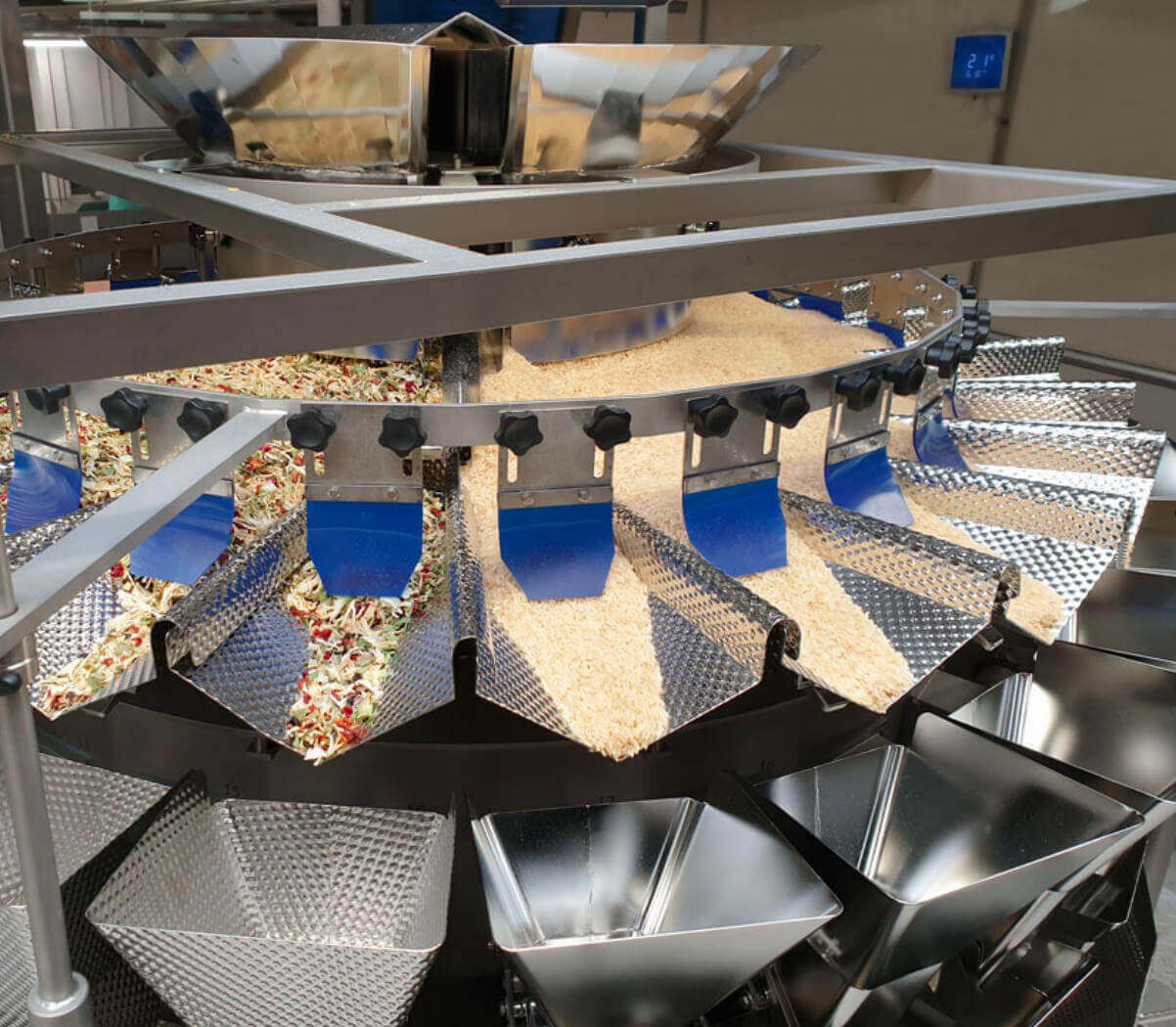
Fragile Materials (e.g., potato chips, cookies): Choose equipment with soft-landing technology, buffer chutes, or adjustable vibration amplitude to minimize breakage.
-
Sticky Materials (e.g., candy, minced meat): Opt for models with non-stick coated hoppers (e.g., Teflon) or vibration mechanisms to prevent adhesion.
-
Mixed Materials (e.g., nuts, grains): Requires multi-channel feeding and recipe combination functions for precise proportioning.
-
Frozen Materials (e.g., dumplings, seafood): Prioritize equipment with waterproof and moisture-proof designs and low-temperature adaptability.
3. Equipment Structure and Hygiene Design
-
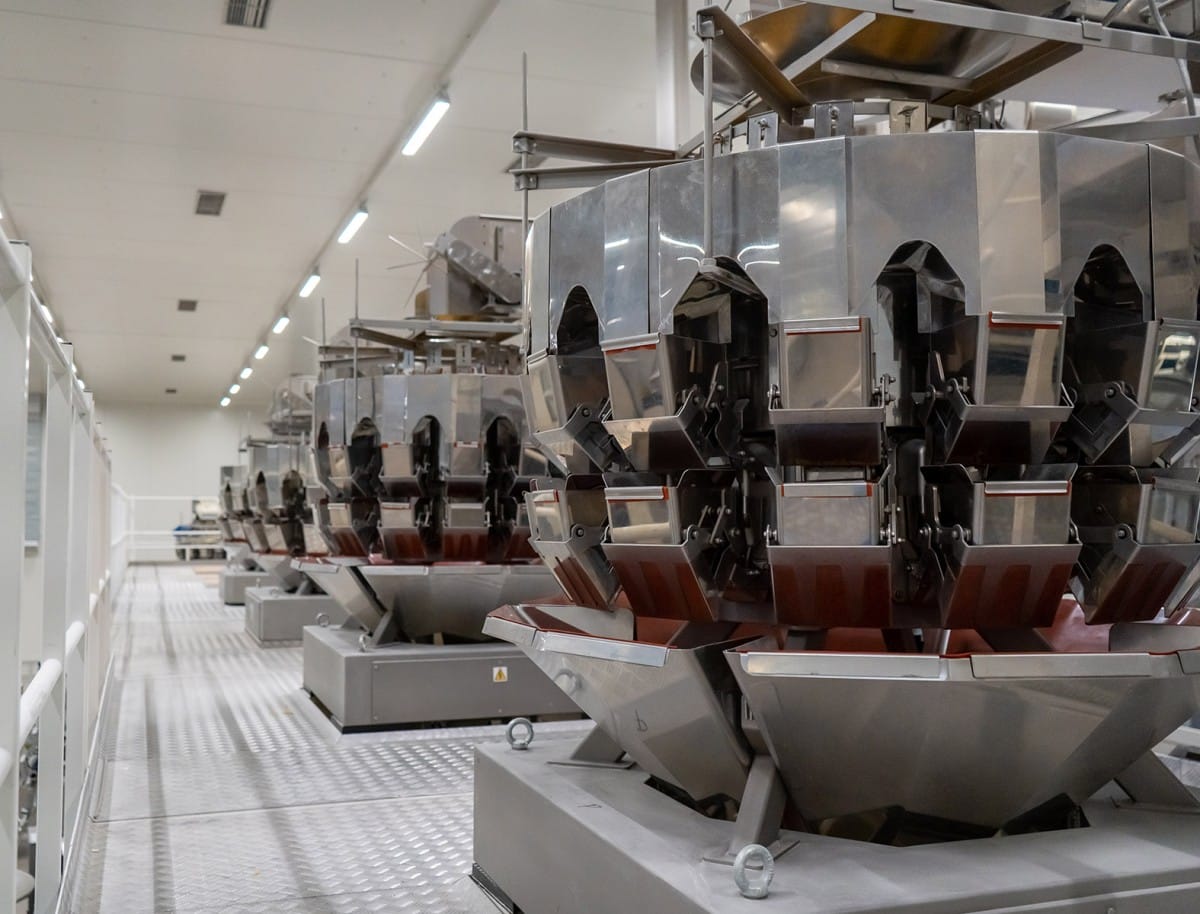
Material: Food industry must use 304 or 316 stainless steel with surface roughness ≤0.8μm, complying with hygiene standards (e.g., GMP, HACCP).
-
Ease of Cleaning: Hoppers should support quick disassembly with a dead-angle-free design to prevent material residue and bacterial growth.
-
Sealing: For powdery materials, equipment must have dust-proof sealing structures to prevent dust leakage and environmental pollution.
4. Intelligence and Control System
-
Core Functions:
-
Automatic Zero Tracking: Real-time compensation for sensor drift to maintain long-term stability.
-
Temperature Compensation: Minimizes the impact of environmental temperature changes on accuracy.
-
Fault Self-Diagnosis: Real-time monitoring of operational status with alarms for anomalies.
-
-
User Interface: Touchscreen should be intuitive, supporting recipe storage (for quick product changeovers) and data export (for production analysis).
5. Brand and After-Sales Service
-
Brand Reputation: Prioritize well-known industry brands (e.g., Ishida, Yamato, or leading domestic brands like Multiweigher) with proven technology and market validation.
-
Local Support: Confirm whether the supplier has a rapid-response team, spare parts inventory, and regular maintenance services locally to minimize downtime losses.
6. Long-Term Operational Costs
-
Energy Consumption: Servo motor-driven models are 20%–30% more energy-efficient than pneumatic equipment, reducing long-term operating costs.
-
Wear Parts Lifespan: Inquire about the replacement cycle and cost of critical components such as hopper doors, sensors, and vibration systems.
-
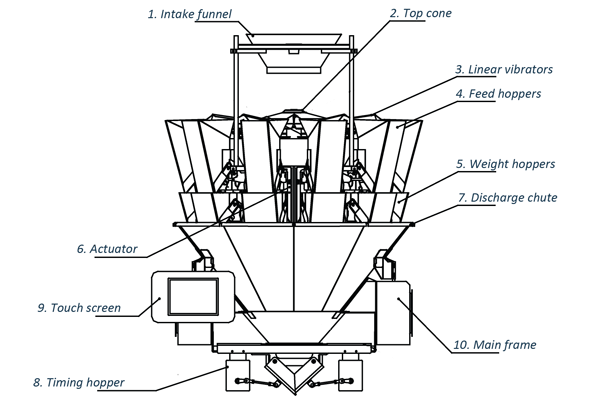
Scalability: Check if the equipment supports future upgrades (e.g., adding more weighing heads, integrating with MES systems).
7. Budget and Cost-Effectiveness
-
Avoid Over-Configuration:
-
If you have a single product and infrequent changeovers, do not pursue an excessive number of weighing heads.
-
If accuracy requirements are modest, avoid paying extra for “theoretical maximum precision.”
-
-
Lifecycle Cost: Consider the purchase price, energy consumption, maintenance costs, and expected lifespan to select the most cost-effective solution.
about
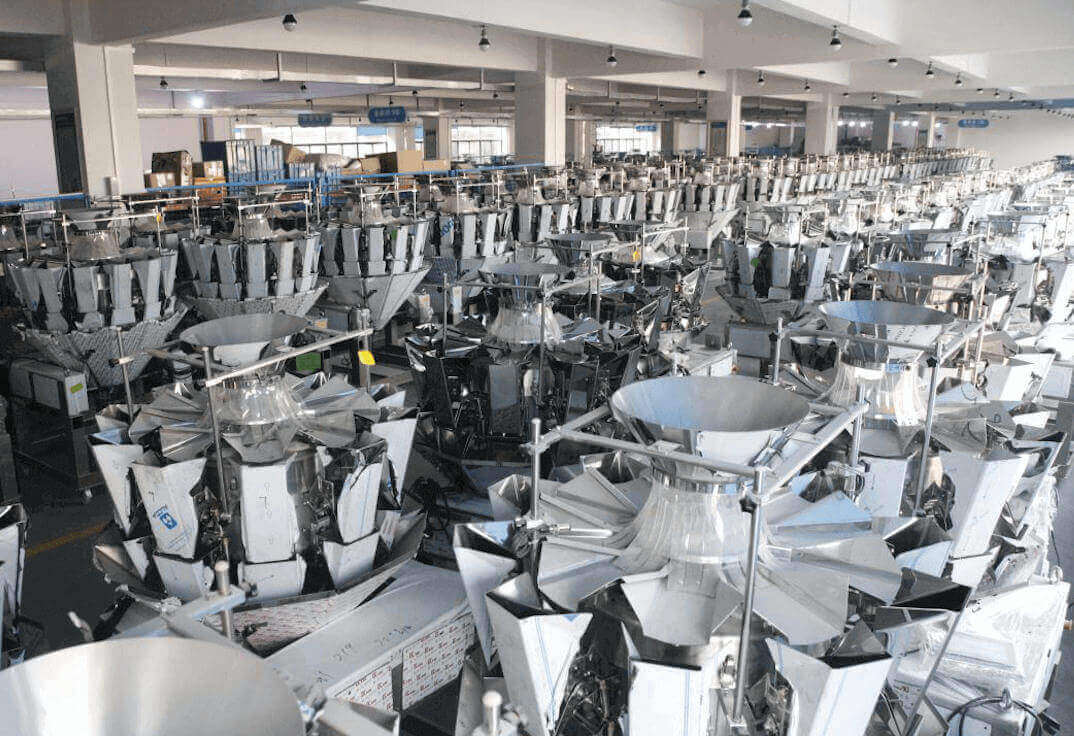
Multiweigher factory
We're fully committed to production of multihead automatic weighing and packaging machine.